How to Prevent Paint Peeling and Flaking Indoors
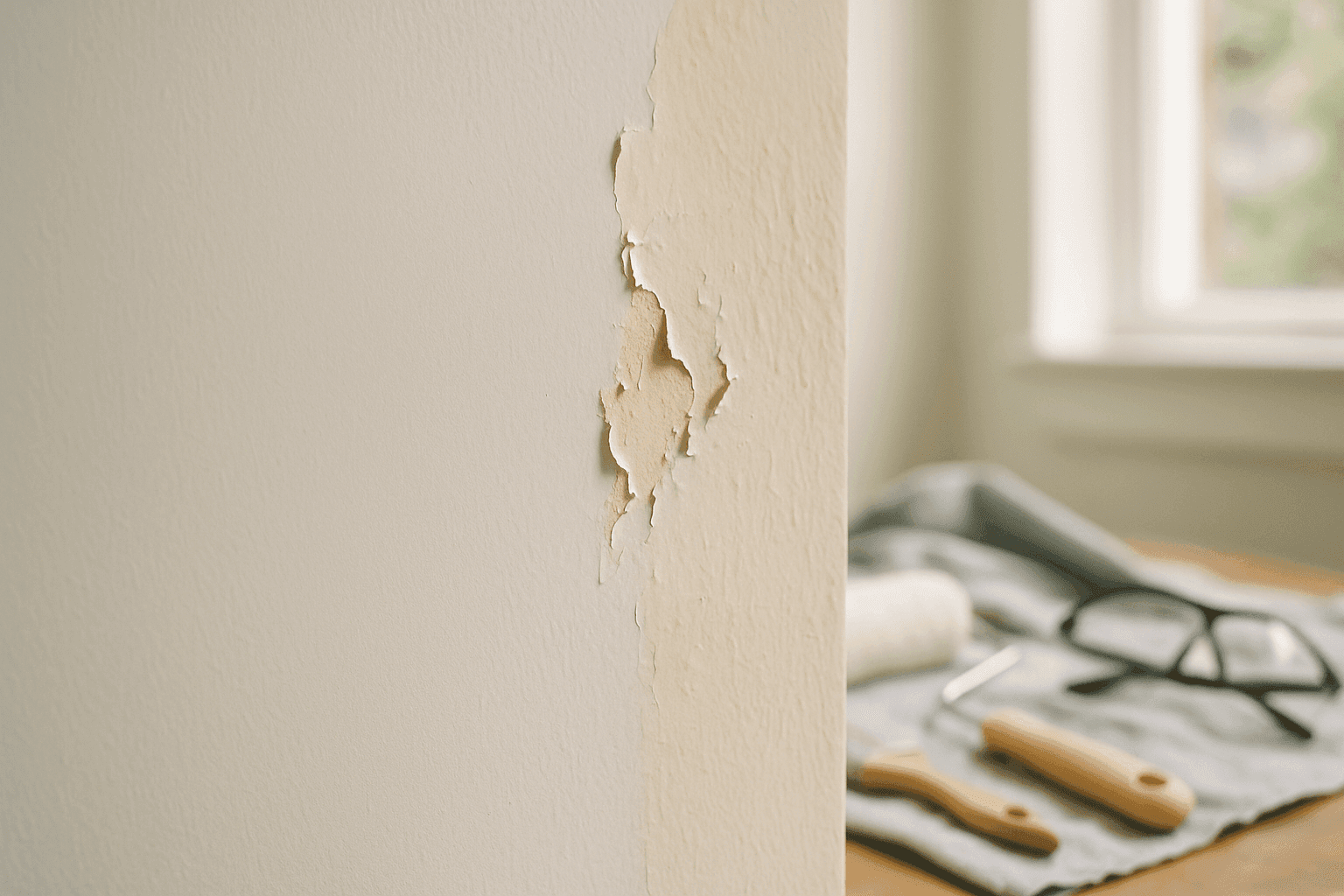
Do your walls look tired, with paint curling up at the edges or flaking off in patches? If so, you’re not alone. Paint peeling is a headache for many homeowners. It can turn a freshly-painted room into a source of stress, especially when you’ve invested time and money into making your space feel like home.
At Uprise Painting, we’ve seen it all—from bathrooms where steam eats away at the ceiling to living rooms where old paint lets go in great sheets. With the right approach, though, these problems are more preventable than you might think.
Common Causes of Paint Peeling and Flaking
Peeling paint doesn’t happen by accident. It’s usually a signal that something underneath isn’t quite right. Here are the most common culprits 🏠:
- Moisture: Think of water as paint’s worst enemy. Leaky pipes, high humidity, steamy showers, or even wet basements can push moisture behind your walls. Eventually, the paint loses its grip.
- Poor Surface Preparation: Like trying to stick tape to a dusty window, paint won’t hold on to dirty, greasy, or glossy surfaces. Skipping steps like cleaning or sanding is an open invitation for trouble.
- Improper Paint Type: Using the wrong kind of paint for the job—such as low-quality paint, or the wrong finish for a bathroom—can spell disaster.
- Painting Over Old Damage: If the old layer is already peeling or bubbling, fresh paint won’t fix it. It just covers the problem… for a little while.
- Temperature Extremes: Painting in rooms that are too cold or too hot can stop paint from bonding properly.
Think of your walls like a cake. A wobbly base or bad ingredients will ruin everything you put on top.
Diagnosing the Problem
Before you break open a new can of paint, pause. Diagnosing the real issue beneath the surface will save you headaches (and money) down the road.
- Look for Moisture: Are there water stains, musty smells, or soft spots on your wall? These are red flags for leaks or condensation.
- Inspect for Mold or Mildew: Black, green, or gray splotches near peeling paint often mean mold. This needs careful attention.
- Check for Poor Adhesion: Does paint peel away easily when scratched? That’s a sign the surface wasn’t prepped correctly.
- Examine the Paint Layers: If multiple layers are peeling at once, the problem goes deep—possibly all the way back to the original paint job.
If you’re not sure, try peeling back a small section. Does it come off in sheets, or does it crumble? Each tells a different story.
Prevention Techniques
Stopping paint problems before they start is like brushing your teeth—routine care pays off in the long run.
1. Surface Preparation Is Everything
- Clean Thoroughly: Use a mild soap and water to remove grease, dust, and fingerprints. Rinse and let dry.
- Repair Damage: Patch holes or cracks with spackle. Let it dry, then sand smooth.
- Sand Glossy Surfaces: Paint needs a little “tooth” to grip. Use fine-grit sandpaper to scuff up shiny spots.
- Remove Old Peeling Paint: Scrape and sand away loose or flaking paint. Always wear a mask and follow EPA guidelines if you suspect lead-based paint.
2. Use the Right Primer
Primer is like double-sided tape for your paint. Choose a high-quality primer suited for your wall type (drywall, wood, stucco, etc.). For bathrooms, kitchens, or anywhere moisture lurks, look for mildew-resistant options.
3. Choose Paint Wisely
Not all paints are created equal! Look for:
- Paints formulated for high-moisture areas (like mildew-resistant bathroom paints)
- Low-VOC and eco-friendly options for healthier indoor air
- The right sheen—satin or semi-gloss for kitchens and baths, matte for bedrooms and living rooms
4. Control Humidity
- Ventilate! Use exhaust fans in bathrooms and kitchens.
- Fix leaks quickly—from roof, pipes, or windows.
- Use dehumidifiers in damp spaces like basements.
5. Apply Paint Properly
- Follow label instructions for drying times and recoating
- Don’t paint in extreme heat or cold
- Use the right tools—brush, roller, or sprayer, depending on the surface
When to Call a Pro
Some peeling paint issues are simple DIY fixes. Others, not so much. Here’s when you should put down the scraper and pick up the phone:
- Suspected lead paint (common in homes built before 1978—check EPA lead safety rules)
- Significant water damage or mold—these can affect your home’s structure and your health
- Large areas of flaking that keep coming back, even after repairs
- Complex surfaces like textured walls, brick, or high ceilings
A professional painter from Uprise Painting brings not just skill, but also access to industrial-grade tools and safe removal techniques. We’ve tackled everything from stubborn graffiti to ornate trim and molding painting—always with safety and quality in mind.
Real-World Example: The Steamy Bathroom
One of our clients had a bathroom where the paint peeled off in sheets every spring. The culprit? Poor ventilation and the wrong type of paint. After power washing and repairing the drywall, we installed a mildew-resistant primer and a satin finish paint. The new finish stands up to daily steam, and the client says it still looks fresh two years later.
Safety Tips for Removing Damaged Paint
Peeling paint isn’t just unsightly—it can be hazardous, especially if it contains lead. Here’s what to keep in mind:
- Always wear a mask and safety goggles
- Lay down a drop cloth to catch debris
- Wet-sand or use a scraper to minimize dust
- Dispose of paint chips safely, following local guidelines
- If you suspect lead, never dry-sand. Call a certified lead paint removal specialist.
For more information, refer to the U.S. EPA’s Renovation, Repair and Painting Program.
Best Practices: Maintaining Paint Integrity
- Inspect painted surfaces every season. Catch small issues before they spread.
- Address leaks and moisture sources immediately.
- Clean walls gently—harsh scrubbing can wear down the finish.
- Touch up chips and scratches before they grow.
- Ask about eco-friendly paint options during your next color consultation near you.
FAQ
What should I do if my paint is peeling but I can’t find a moisture source?
Try taping plastic wrap to the wall overnight. If condensation forms underneath, you have a hidden moisture problem.
How often should interior walls be repainted?
Most walls last 5–10 years, but high-traffic or high-moisture areas may need more frequent attention.
Can I paint over moldy or peeling areas?
Never paint over active mold or peeling paint. Clean thoroughly and repair before applying new paint.
What kind of paint is best for bathrooms?
Look for mildew-resistant, semi-gloss or satin finishes. They’re easier to clean and resist moisture better than matte paints.
Local and Seasonal Considerations
Humidity and temperature swings can surprise even the most careful homeowners. In many regions, spring and fall are the best times to paint indoors—mild temperatures mean better drying and fewer issues.
If your home is older, consider a lead paint test before sanding or scraping. For anyone sensitive to fumes, ask about eco-friendly and low-odor options during your next painting project.
Final Thoughts
Peeling and flaking paint isn’t just a cosmetic problem—it’s a sign your home needs attention. By understanding what causes paint to fail and taking simple, preventive steps, you can keep your walls looking their best for years to come.
If you’re unsure where to start, or if the job feels too big, don’t worry. Uprise Painting is here to help with everything from color consultation near you to safe, lasting repairs.
Call Uprise Painting now — or reach us anytime at 844-484-6831 .